Case Studies
A Novel Approach to Bilateral SI Joint Fusion
Your download will start automatically once you have provided the following information:

- Provider
- David Alex Stroh, M.D.
- Speciality
- Director of Orthopedic Trauma
- Facility
- St. Francis Hospital
- Bio
-
Medical School: Johns Hopkins School of Medicine
Residency: MedStar Union Memoria... More
Case Details
- Condition
- Pelvic Trauma
- Product(s)
-
iFuse TORQ TNT
- Patient
- 51-year-old male
Bilateral SI Joint Dysfunction Treatment Involving iFuse 3D and iFuse TORQ TNT Implants
Patient History: A 51-year-old male presented with bilateral SI joint dysfunction that was not responsive to conservative measures, with good response to lidocaine injections. The diagnosis was informed by the physical exam, labs, and radiography.
- Patient reported consistent, daily lower back pain that worsens with movement and has been ongoing for years.
- Pain was rated 5/10, limiting mobility and quality of life.
- SI joint steroid injections showed 80% relief.
- Exam results consistent with bilateral SI joint dysfunction, patient showed little radiographic arthropathy.
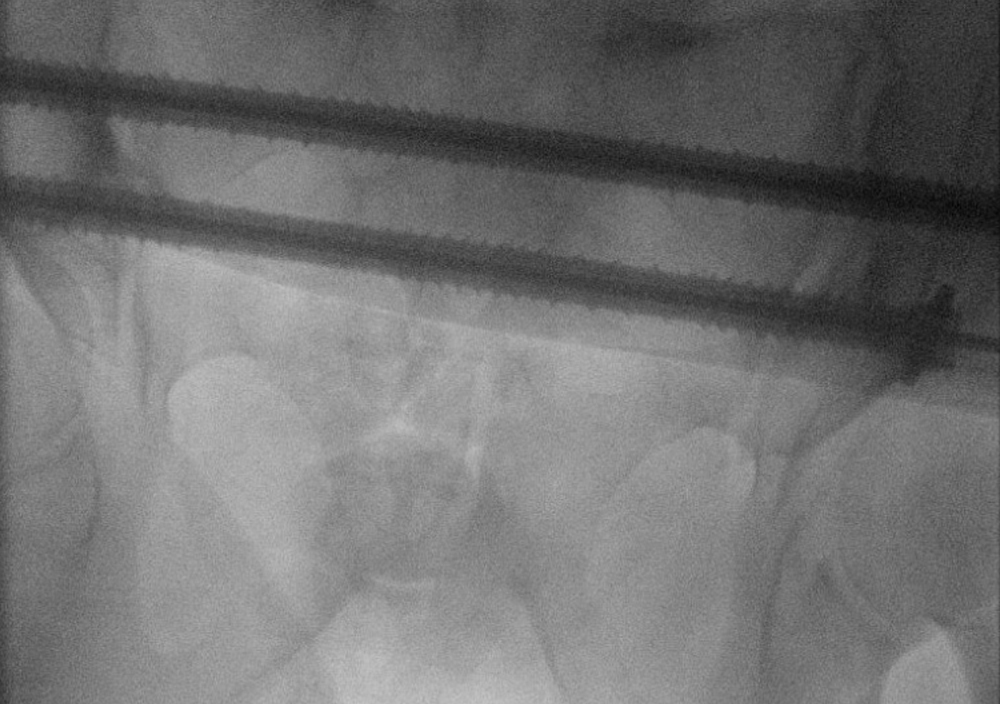 Figure 1
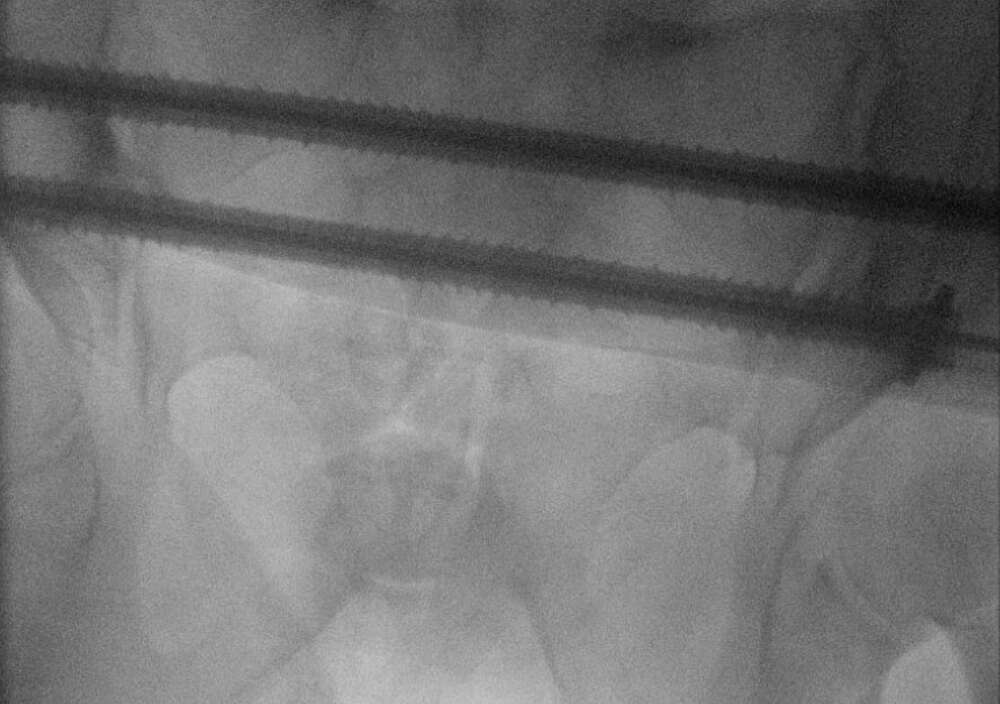 Figure 1
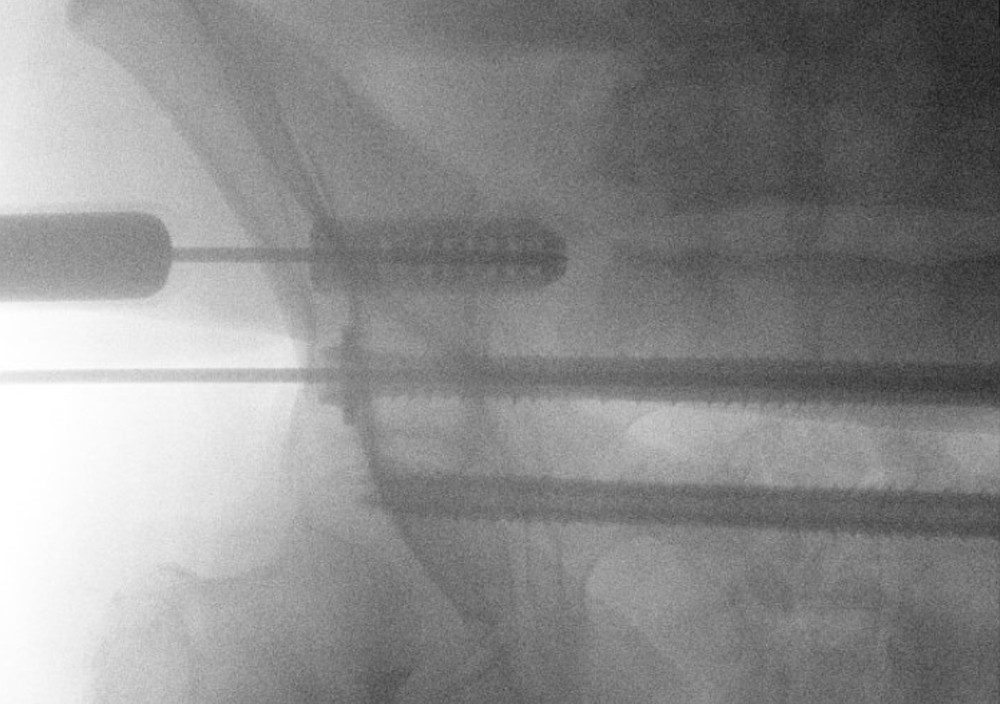 Figure 2
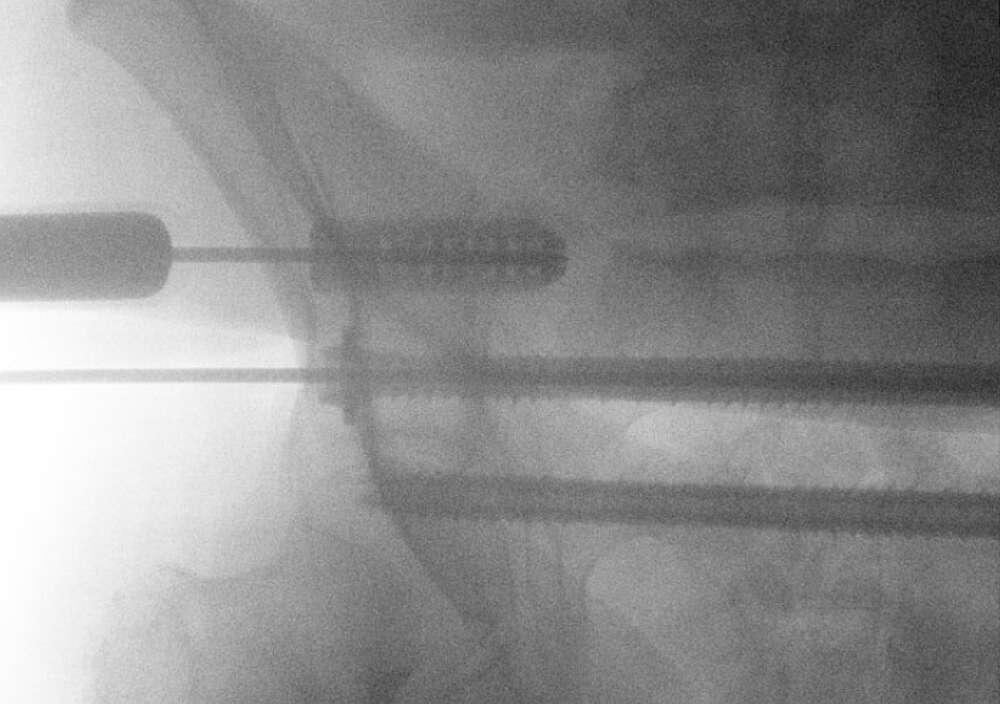 Figure 2
Surgical Treatment: SI joint compression and fusion was performed by placing bilateral iFuse TORQ TNT implants in the S1 and S2 corridors, along with bilateral iFuse 3D implants in the S1 corridor. Fig. 3
- Bilateral TNT implants with washers were placed percutaneously in the S1 and S2 corridors to compress the SI joint symmetrically, with good compression observed (Fig. 1).
- A long guide pin was advanced through and through to the contralateral side via the S1 corridor, where it was used with a parallel pin guide as a basis for the trajectory of the right (Fig. 2) and left (Fig. 3) iFuse 3D implants.
- The iFuse 3D implants were placed bilaterally and superior to the S1 TNT screw in an inferior trajectory to avoid the L5 nerve root, to fuse the SI joint.
- Implant placement was reviewed using AP, inlet, outlet, and lateral views, and was deemed adequate (AP view in Fig. 4).
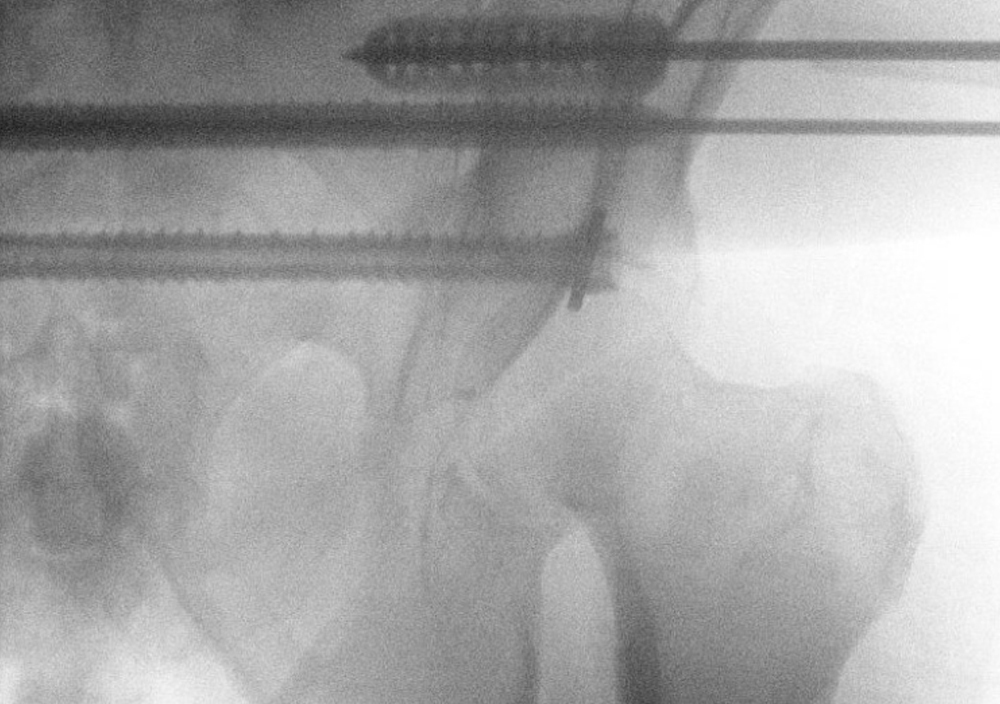 Figure 3
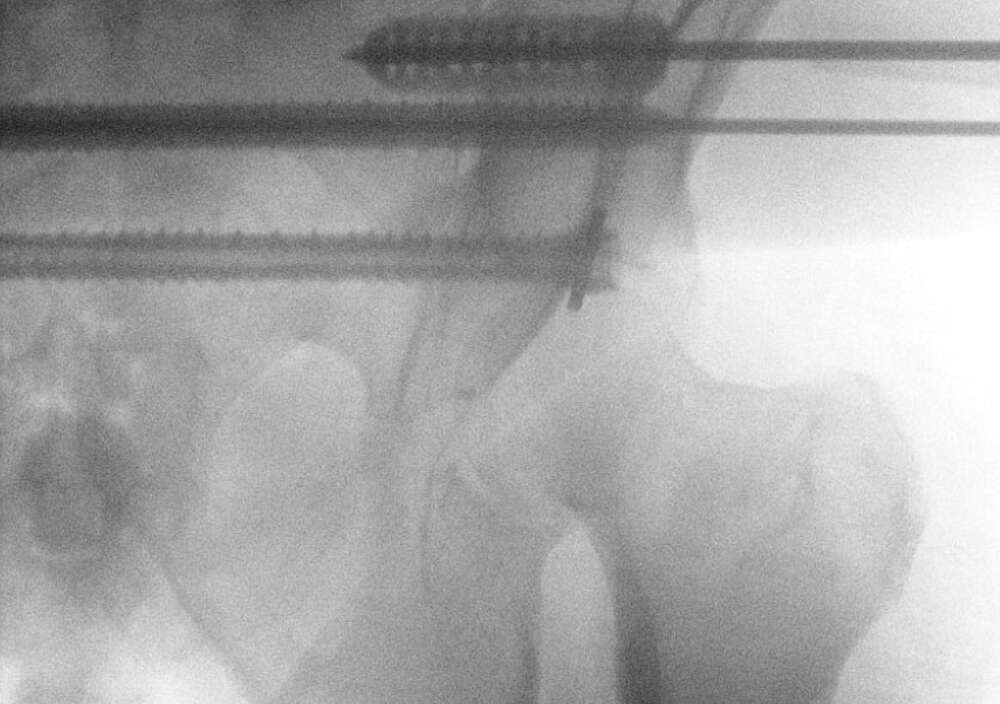 Figure 3
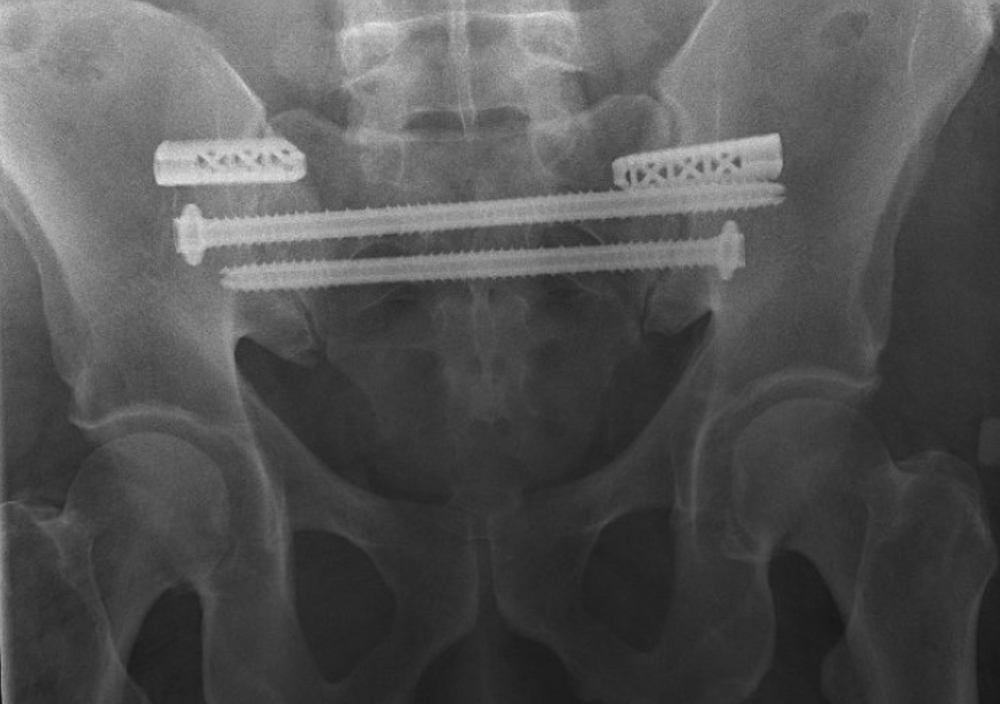 Figure 4
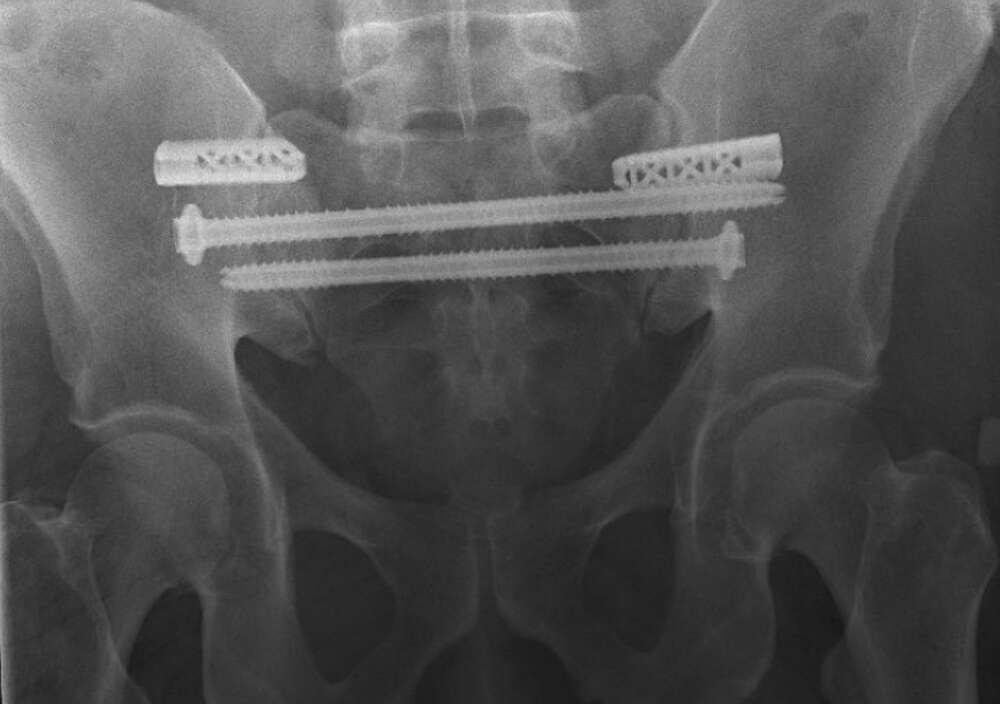 Figure 4
Healthcare professionals should refer to the Instructions For Use for indications, contraindications, warnings, and precautions at https://si-bone.com/label.
There are potential risks associated with iFuse procedures. They may not be appropriate for all patients and all patients may not benefit.
For information about the risks, visit https://si-bone.com/risks.